
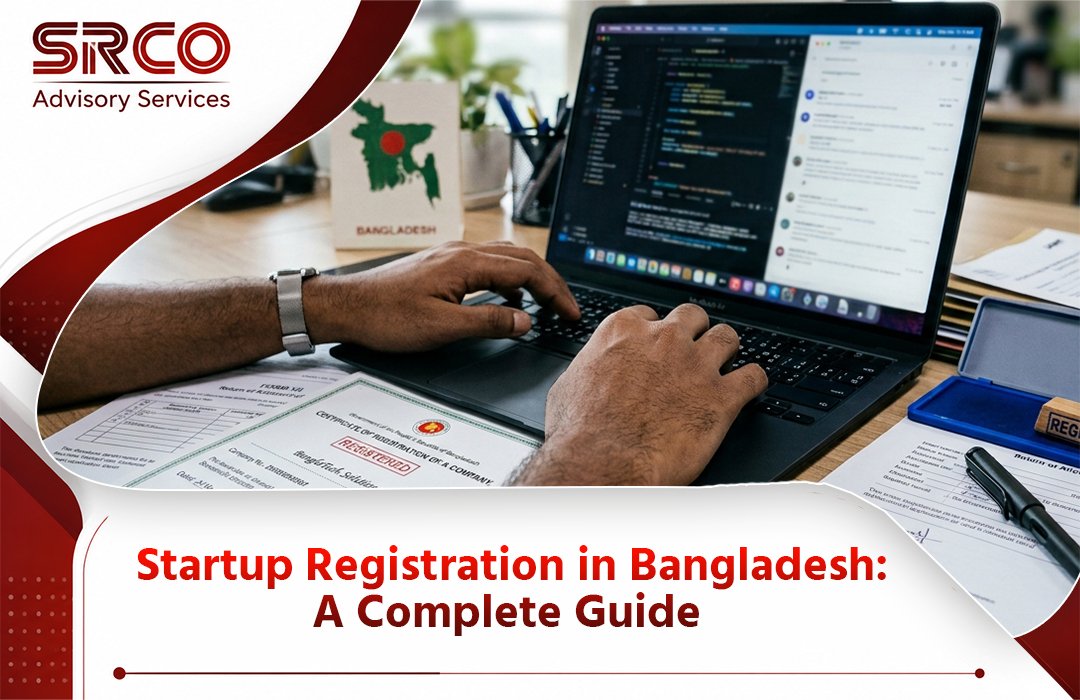
Bangladesh has emerged as one of South Asia’s fastest-growing startup ecosystems, driven by a young workforce, expanding digital economy, and government incentives for entrepreneurship. However, before a founder can raise capital, hire staff, or open a business bank account, the company must be legally registered. Startup registration in Bangladesh involves several regulatory steps, and understanding the process upfront can save entrepreneurs significant time, cost, and compliance headaches.
This guide walks you through everything you need to know about registering a startup in Bangladesh, from choosing the right business structure to obtaining post-registration licenses.
Registering a startup formally is not just a legal formality — it is the foundation for credibility, funding, and long-term growth. A registered entity can open a corporate bank account, sign contracts, hire employees legally, apply for trade licenses, and access government or foreign investment. Operating without registration exposes founders to personal liability and limits their ability to scale.
The first decision every founder must make is selecting a legal structure. In Bangladesh, startups typically choose from the following options, each with different implications for liability, taxation, and foreign ownership:
For most startups seeking investment or planning to scale, a Private Limited Company registered with the Registrar of Joint Stock Companies and Firms (RJSC) is the preferred route, since it allows share issuance, limited liability, and easier access to funding.
The process begins with reserving a unique company name through the RJSC online portal. The proposed name must not conflict with existing registered entities and should reflect the nature of the business.
Founders must prepare the Memorandum of Association (MoA) and Articles of Association (AoA), which define the company’s objectives, share structure, and internal governance rules.
Once documentation is ready, the incorporation forms, MoA, AoA, and details of directors and shareholders are submitted to RJSC along with the applicable registration fees. Upon approval, RJSC issues the Certificate of Incorporation.
After incorporation, the company must obtain a trade license from the relevant City Corporation or Union Parishad, which authorizes it to conduct business within that jurisdiction.
Every registered business must obtain a TIN from the National Board of Revenue (NBR) for tax purposes, and register for VAT if the business turnover exceeds the prescribed threshold.
With the incorporation certificate, trade license, and TIN in hand, founders can open a corporate bank account, which is essential for receiving investment, paying vendors, and managing payroll.
Depending on the industry — such as fintech, e-commerce, food, education, or import-export — additional approvals from relevant regulatory bodies like Bangladesh Bank, BIDA, or the Ministry of Commerce may be required.
Many first-time founders underestimate the documentation requirements or timeline involved in RJSC approval, which can lead to delays. Foreign founders, in particular, often face additional scrutiny around capital remittance and BIDA registration for foreign direct investment. Engaging an experienced advisory firm familiar with local regulations can help avoid rejections and rework.
With complete documentation, name clearance can take a few working days, while full incorporation through RJSC typically takes one to three weeks. Trade license, TIN, and VAT registration can be processed in parallel, meaning a well-prepared startup can often be fully operational within four to six weeks.
Startup registration in Bangladesh is a structured but multi-step process that rewards careful preparation. From selecting the right legal structure to securing licenses and tax registrations, each step builds the legal foundation your business needs to operate, raise capital, and grow with confidence. Partnering with a professional advisory firm can streamline the entire process, ensuring full compliance from day one and letting founders focus on building their product and customer base rather than navigating paperwork.
Blogs